Chartawell/Paper Conservation Science

Paper Conservation Science
evidence for the people who keep collections

What we do

Chartawell studies how paper, parchment and the inks written on them decay, and turns that into testing, reports and teaching that archives, libraries and museums can act on. We hold no collection of our own. Everything we publish is measured on material submitted by the institutions that care for it.
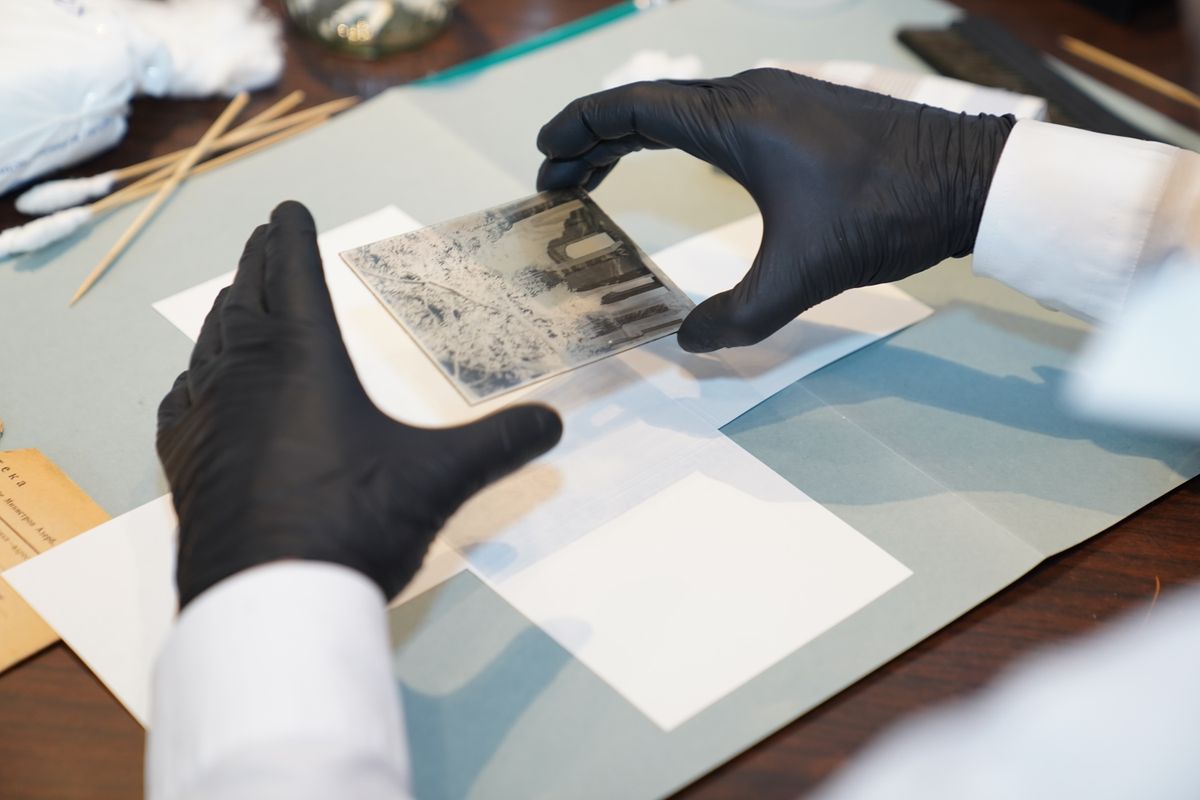
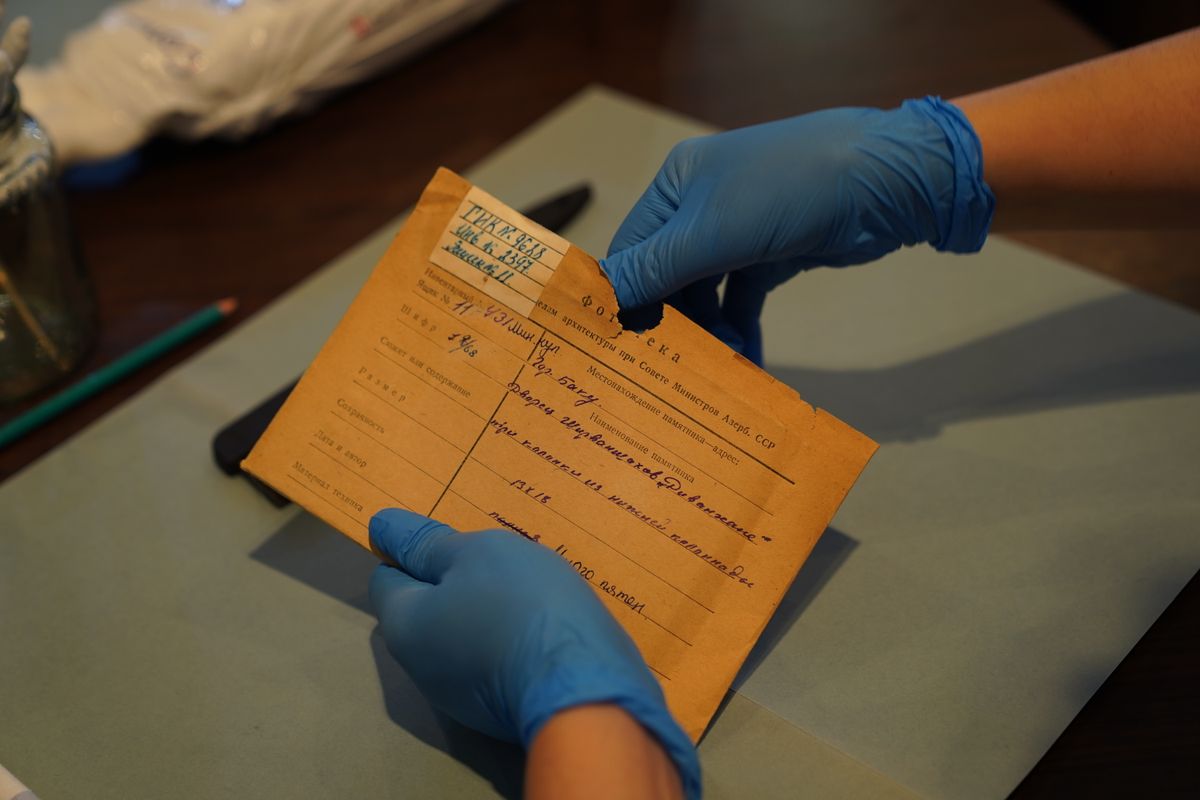
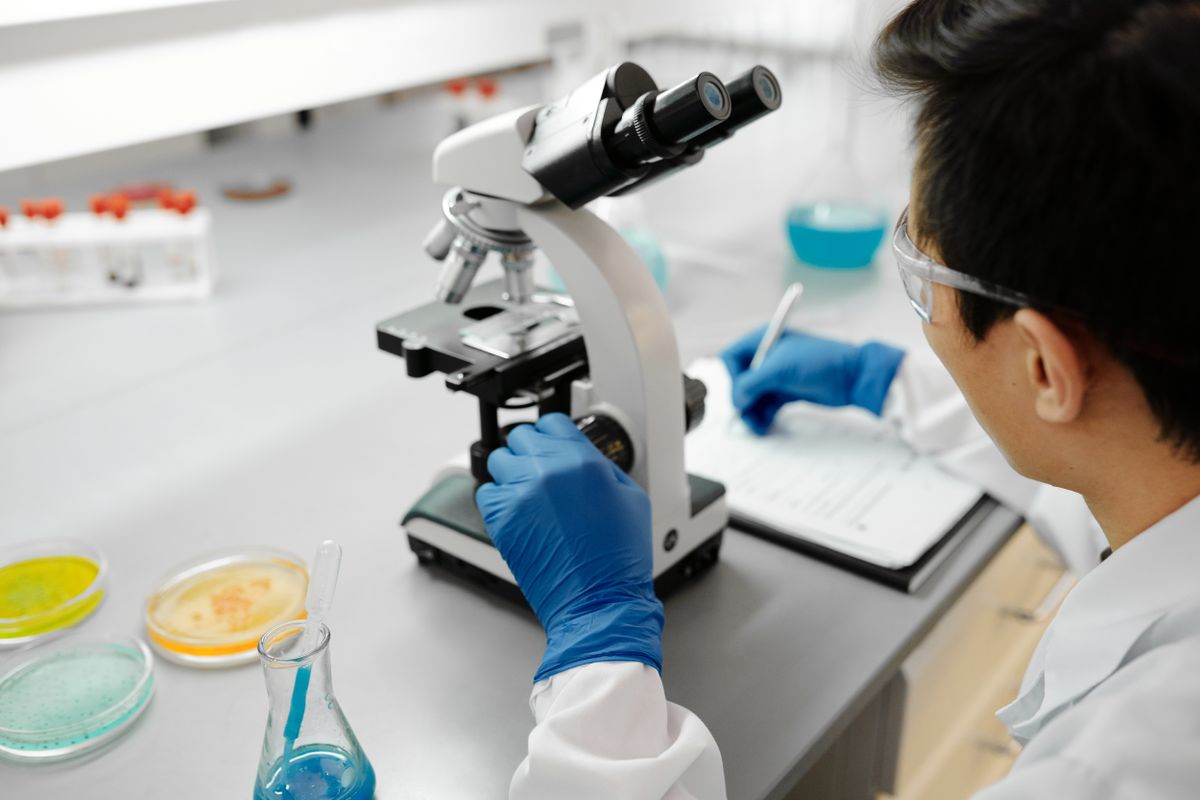
Conservator in gloves working on a paper item at a bench

Recent publications

Full list

Resources and projects

For collection holders

The practical end of our work: what to measure before you spend money, and what a result does and does not license you to conclude.

How to submit a sample Test scope and turnaround Guidance notes

For researchers

Datasets from closed programmes are released with the raw measurement files, not only the summary tables, so that the analysis can be re-run and disagreed with.

Released datasets Collaboration and visiting places Reports and technical notes

For students and staff

Short courses taught in the laboratory itself, capped at twelve so that everyone handles the instruments rather than watching a demonstration.

Course calendar Bursary places Teaching at your institution

Departments

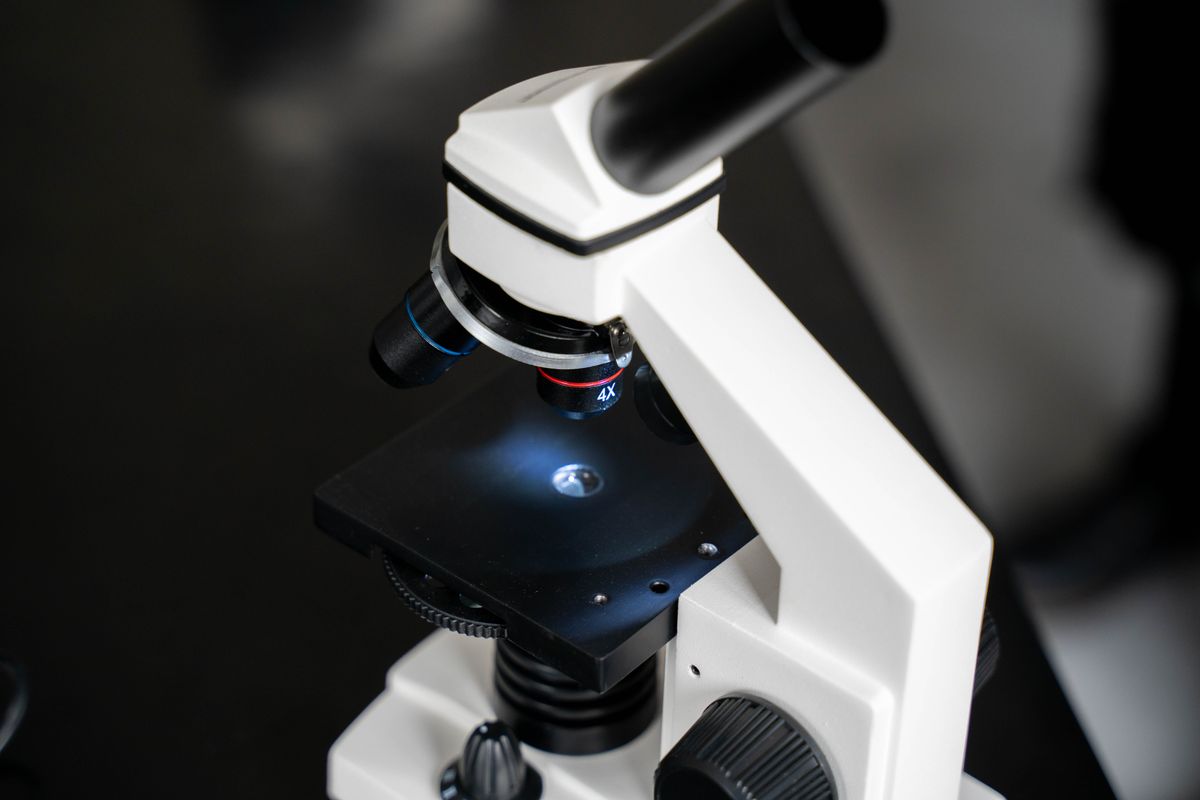
Microscope work on a laboratory bench

Analytical Science

Fibre furnish identification, cold and hot extraction pH, alkaline reserve, lignin spot tests, colourimetry and fold endurance. The bench that answers “what is this made of and how far has it gone” before anyone argues about treatment.

Laboratory services →
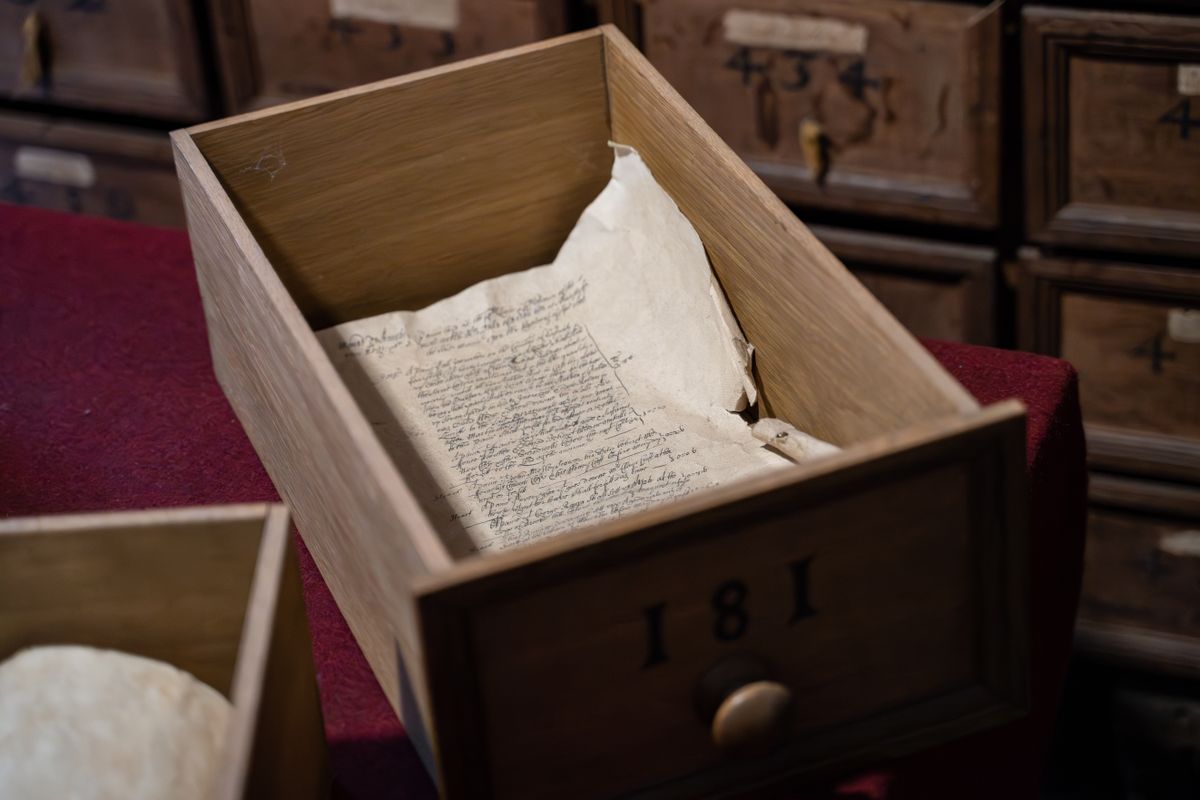
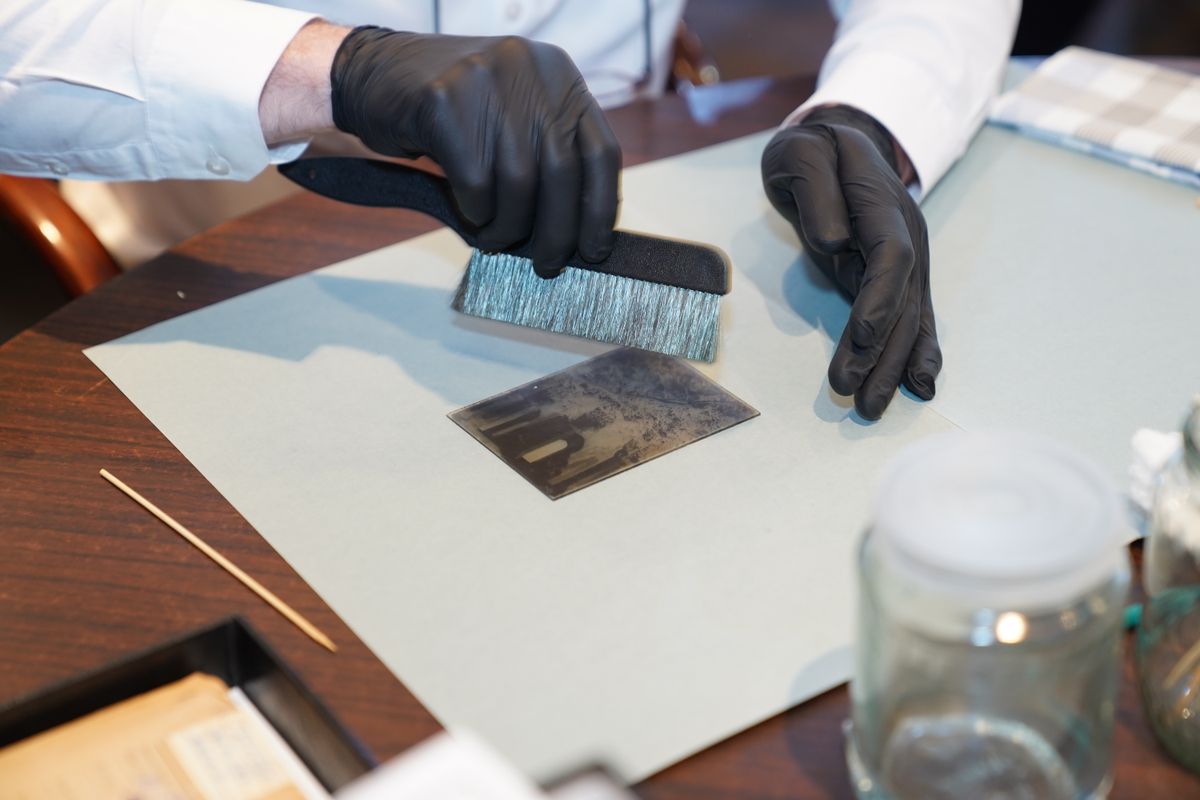
Archival document handled with gloves

Inks and Media

Iron gall ink corrosion, copper-containing pigments and the migration of degradation products through a leaf. Our longest-running programme, and the one where the field’s received wisdom has moved furthest in twenty years.

Research programme →
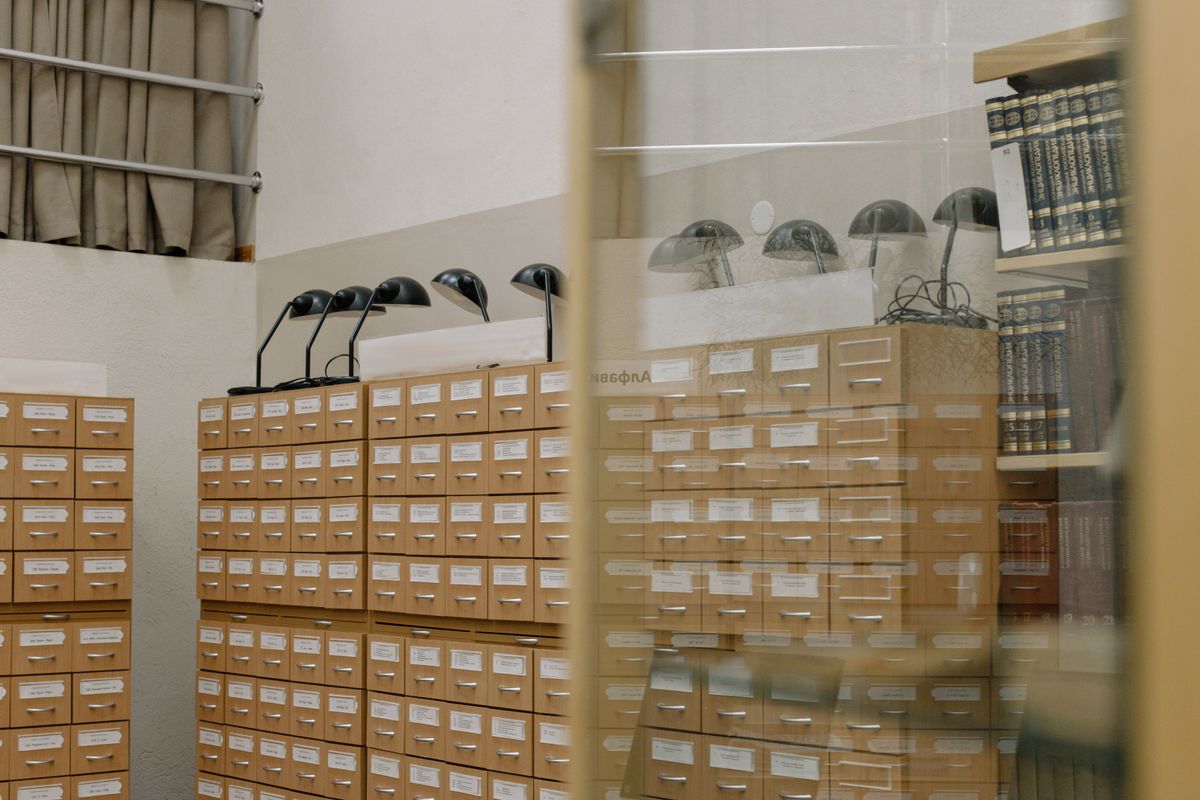
Reading room with card catalogue cabinets

Collection Environments

Relative humidity cycling, mould risk thresholds and what happens to a store when the plant is switched off at night to save energy. Monitoring loans, data analysis and honest reporting of the cases where nothing measurable happened.

Research programme →
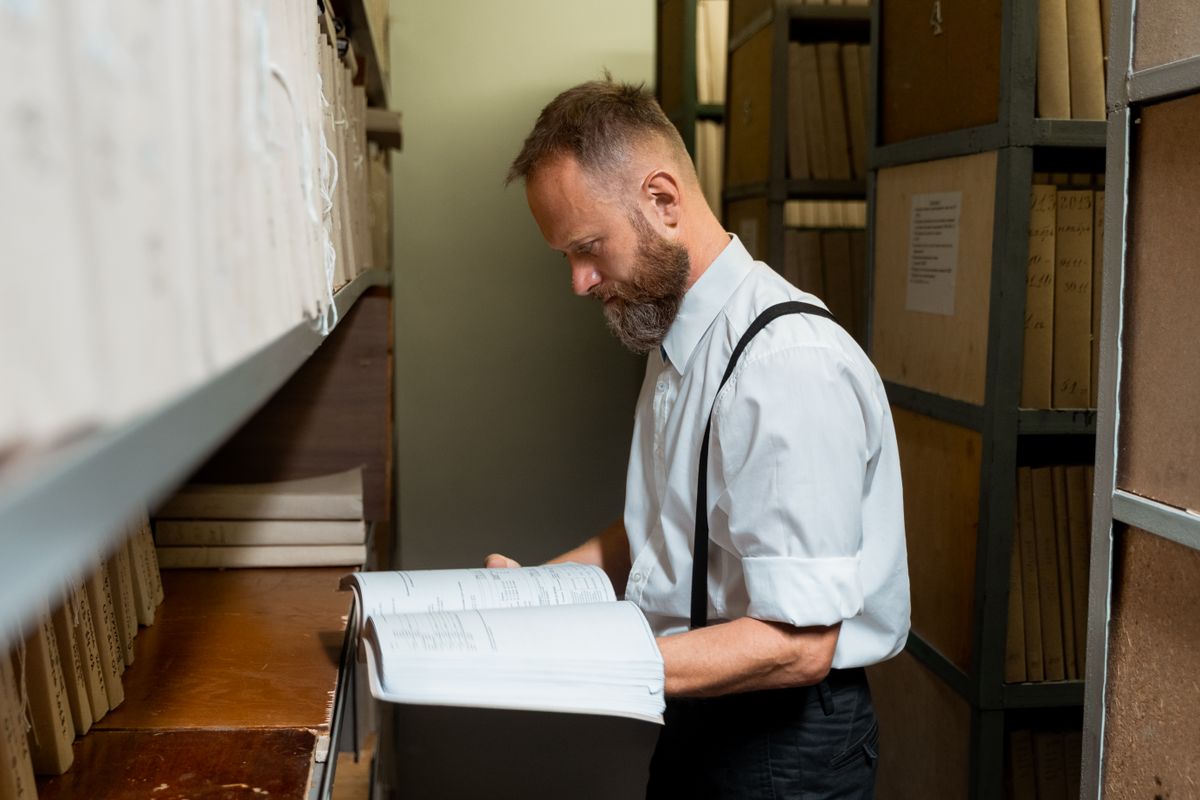
Researcher consulting a volume in an archive store

Teaching and Publication

Short courses, the technical note series and the release of programme data. Everything the centre learns is written up whether or not the result was the one we expected.

Courses →
1981Founded, as a laboratory serving three county archives
24Staff, of whom sixteen are scientific or conservation
6Research programmes currently open
312Institutions that have submitted material since 2015

Desks and enquiries

Contact page

Analytical Science

Sample submission, test scope, turnaround and quotations.

[email protected]

+44 1904 620 118 (option 1)

Research office

Programme participation, datasets, visiting places and joint funding bids.

[email protected]

+44 1904 620 118 (option 2)

Teaching office

Course bookings, bursaries and teaching delivered at your own institution.

[email protected]

+44 1904 620 118 (option 3)

Frequently asked

Do you carry out conservation treatment?

No. We analyse, test and report; treatment is carried out by the studios and conservators who hold the material. Keeping those two roles apart is the reason our reports are accepted by funders — we have nothing to sell at the other end of the result.

Is the laboratory accredited?

Six test methods are run within an ISO/IEC 17025 quality scheme: cold and hot extraction pH, alkaline reserve, fold endurance, tensile and tear, and colour measurement. Everything else — including fibre identification and accelerated ageing — is reported as a research measurement and labelled as such on the face of the report, not in a footnote.

How much material do you need?

For fibre identification, a fragment of two millimetres square taken from an existing tear is usually enough. For pH by cold extraction we need a disc of six millimetres. Where sampling is refused — which is often the correct decision — we will say what can be answered non-destructively and what genuinely cannot.

Can you advise on a store before we rebuild it?

Yes, as a monitoring loan and report rather than as design consultancy. We fit loggers, hold them for a full annual cycle where possible, and report what the building actually does. We do not specify plant and we do not accept work from equipment suppliers.

Who owns the results?

The submitting institution owns its own report and may publish it. Aggregated, anonymised data from commissioned tests may enter our research programmes unless you tell us otherwise when you submit.